Greenhouse and Shadehouse Crops
Notice to Users: Agri-Life may be used in greenhouses and shade houses to control diseases on crops which appear on this label, and specific instructions have been developed for crops listed. The grower should bear in mind the sensitivity of crops grown in greenhouses and shadehouses differs greatly from crops grown under field conditions. Neither the manufacturer nor the seller has determined whether or not Agri-Life can be used safely on all greenhouse and shadehouse grown crops. Consequently, injury arising from the use of Agri-Life on these types of greenhouse and shadehouse crops is the responsibility of the user. The user should determine if Agri-Life can be used safely prior to commercial use. In a small area, apply the recommended rates to the plants in question, i.e. foliage, fruit etc., and observe for 7 to 10 days for symptoms of phytotoxicity prior to commercial use.
Apply Agri-Life according to specific rates given for those crops in ounces (lbs. Cu2+) per acre.
One fluid ounce = 29.6 milliliters = 6 teaspoons per 1,000 square feet is equivalent to 43.6 ounces (.168 lbs.) per acre. Agri-Life should be applied in adequate water for thorough coverage of plant parts. Begin application at first sign of disease and repeat at 7 to 14 day intervals or as needed; use shorter spray intervals during periods when severe disease conditions persist.
NOTE: Phytotoxicity may occur on young tender flush when Agri-Life is applied to citrus seedlings grown in greenhouses or shadehouses.
| Crop | Disease | Rate ml. fl. oz. (lbs. Cu2+) Per 1,000 sq. ft. | Directions |
|---|---|---|---|
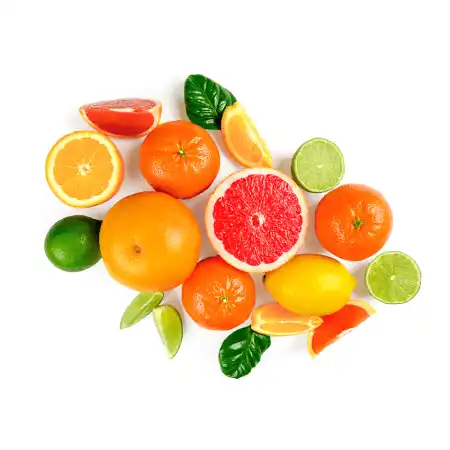
| Citrus (Non-Bearing Nursery) | Brown rot, Citrus canker, Greasy Spot, Melanose, Pink pitting, Scab | 15 ml. .507 fl. Oz. (.0020) |
Begin applications when disease first threatens. Repeat at 30 day intervals or as needed depending on disease severity. Minimum retreatment interval is 7 days. |
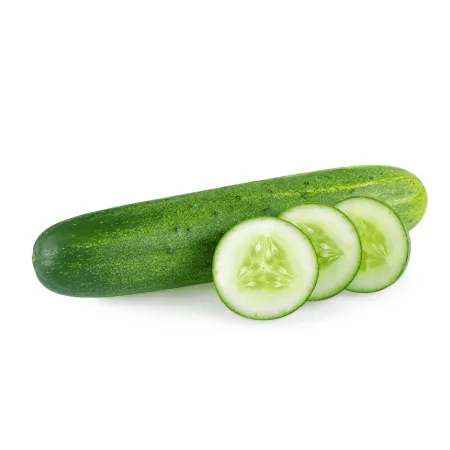
| Cucumber | Alternaria leaf spot, Angular leaf spot, Anthracnose, Downey mildew, Gummy stem blight, Phomopsis, Powdery mildew | 5 to 12 ml. .169 to .405 fl. Oz. (.0007 to .0016) |
Apply weekly when plants begin to vine. Use the higher rates when conditions favor disease. |
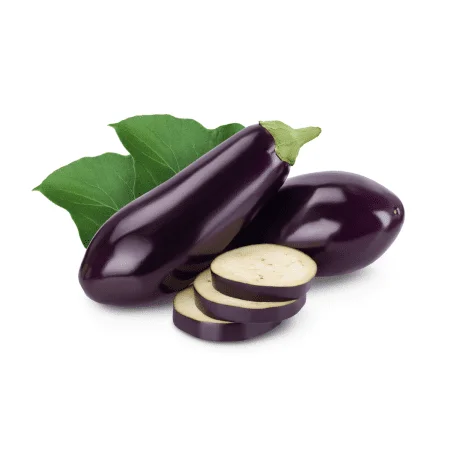
| Eggplant | Alternaria blight, Anthracnose, Phomopsis , Phytophthora blight | 9 ml. .304 fl. Oz. (.0012) |
Begin applications prior to development of disease symptoms. Repeat at 7 to 10 day intervals or as needed depending on disease pressure. Minimum retreatment interval is 7 days. |
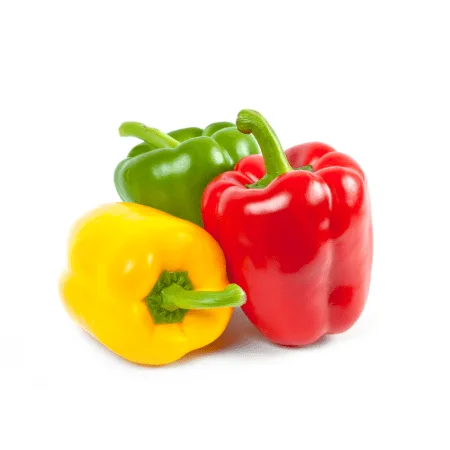
| Pepper | Anthracnose, Bacterial spot, Cercospora leaf spot | 9 to 15 ml. .304 to .507 fl. Oz. (.0012 to .0020) |
Begin applications when conditions favor disease development and repeat at 7 to 10 day intervals or as needed depending on severity. Use the higher rates when conditions favor disease. Minimum retreatment interval is 7 days. |
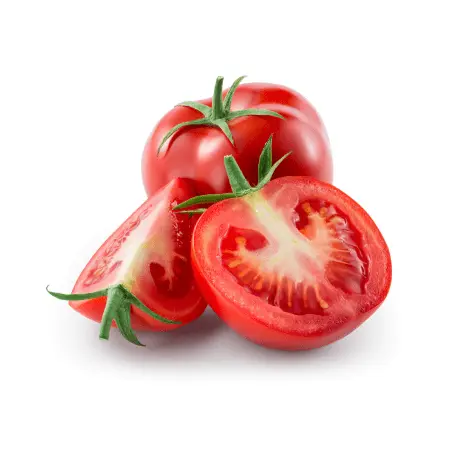
| Tomato | Anthracnose, Bacterial spot, Early blight, Gray leaf mold, Late blight, Septoria leaf spot | 9 to 15 ml. .304 to .507 fl. Oz. (.0012 to .0020) |
Begin applications when disease first threatens and repeat at 7 to 10 day intervals or as needed depending on disease severity. Use the higher rates when conditions favor disease. Minimum retreatment interval is 7 days. |
Spray Application (Shade and Ornamental Trees)
Sycamore
| Disease(s) | Rate/A fl. oz. (lbs. Cu2+) |
Maximum Rate Per Acre Per Application fl. oz.(lbs. Cu2+) Per 1,000 sq. ft. | Directions |
|---|---|---|---|
| Anthracnose | 9 to 18 (.035 to .070) |
18 (.070) | Apply as a full cover spray in 100 gals. of water or sufficient volume for thorough coverage at bud crack. Repeat 7 to 10 days later at 10% leaf expansion. Use the higher rates when disease is severe. |
| Do not apply more than 0.37 lbs. metallic copper (0.75 gals. of this product) per acre per year. Minimum retreatment interval is 7 days. | |||
Trunk Injection Applications (Shade and Ornamental Trees)
Elm for Dutch Elm disease and Cankers (Botryodiplodia, Cytospora, Tubercularia)
Inject once during the growing season for control or prevention. Injection sites should be six inches or less above the soil line. Injection should not be done against Dutch Elm disease if the Elm appears more than 20% diseased or if the disease may have entered through root grafts from another diseased tree or stump. Remove dead and diseased limbs within 10 days after treatment.
| Elm Size (diameter at chest height) | Agri-Life® fl. oz. (lbs. Cu2+) | Water (gals.) |
|---|---|---|
| 19 to 25 inches | 2 (.008) | 2 |
| 26 to 29 inches | 3 (.012) | 3 |
| 30 to 33 inches | 4 (.015) | 4 |
| 34 to 40 inches | 5 (.019) | 5 |
| 41 to 48 inches | 6 (.023) | 6 |
On Red Elm, use the dosage specified below for Red Oak.
Oak and Sycamore (Anthracnose, Oak Wilt, Phytophthora)
On Red Oak, use as preventative treatment only. Follow the injection directions in the “ELM” section, taking care that holes are not too deep on shallow-barked Oaks.
Treatment is best in the month before Fall color in northern climates.
| Elm Size (diameter at chest height) | Agri-Life® fl. oz. (lbs. Cu2+) Red Elm/Red Oak |
Agri-Life® fl. oz. (lbs. Cu2+) Oak/Sycamore |
Water (gals.) |
|---|---|---|---|
| 12 to 18 inches | 1.0 (.004) | 1.5 (.006) | 3 |
| 19 to 26 inches | 1.5 (.006) | 2.0 (.008) | 4.5 |
| 27 to 33 inches | 2.0 (.008) | 3.0 (.012) | 6 |
| 34 to 40 inches | 2.5 (.010) | 3.5 (.014) | 7.5 |
| 41 to 48 inches | 3.0 (.012) | 4.5 (.017) | 9 |
Shade Trees (Cankers: Cytospora on Cottonwood, Green Ash, Paper Birch; Botryodiplodia and Cytospora on Hackberry, Silver Maple; Nectria on Honey Locust)
Follow injection directions in the “Elm” section.
| Elm Size (diameter at chest height) | Agri-Life® fl. oz. (lbs. Cu2+) | Water (gals.) |
|---|---|---|
| 10 inches | 1.3 (.005) | 1.0 |
| 20 inches | 2.5 (.010) | 2.0 |
Turfgrass
| Crop | Maximum per Application Rate/A fl. oz. (lbs. Cu2+/A) |
Maximum Annual Rate/A fl. oz. (lbs. Cu2+/A) |
Minimum Retreatment Interval (days) | Directions |
|---|---|---|---|---|
| Turfgrass | 6.06 (.023) |
42.42 (.164) |
10 | Treat turfgrass for black algae and moss with 6.06 fl. oz of product per acre. |